KIND NICE HAPPY
Making The World Better
One Person At A Time!
Why We Should All Be Eating Mediteranean Diet!
A deeply nourishing, realistic way of eating for long-term health and happiness
The Mediterranean diet isn’t a trend, a reset, or a short-term solution. It’s a way of eating that has stood the test of time, rooted in cultures where people live longer, feel better, and maintain a healthier relationship with food well into old age.
At its core, the Mediterranean diet is about simplicity, nourishment, and enjoyment. It prioritizes real food, healthy fats, vibrant produce, and balanced meals—without obsession, restriction, or guilt.
This is why so many doctors, nutritionists, and wellness experts agree: if there’s one eating style most people can benefit from, it’s this one.

It Supports Whole-Body Health (From the Inside Out)
Unlike diets that focus narrowly on weight loss, the Mediterranean diet supports every major system in your body.
Eating this way has been linked to:
Improved heart health
Lower blood pressure and cholesterol
Better blood sugar control
Reduced inflammation
Healthier digestion
Stronger immune function
Why? Because the diet is rich in fiber, antioxidants, healthy fats, and micronutrients that your body needs to thrive. Instead of forcing results, it creates the conditions for health to happen naturally.
Many people find that weight stabilizes, energy improves, and cravings lessen—not because they’re trying harder, but because their body is finally well fed.

It Naturally Reduces Inflammation
Inflammation is often behind chronic fatigue, joint pain, digestive issues, hormonal imbalance, and even mood struggles.
The Mediterranean diet is packed with anti-inflammatory foods, including:
Extra-virgin olive oil
Fatty fish rich in omega-3s
Leafy greens and colorful vegetables
Nuts, seeds, and legumes
Herbs, spices, garlic, and onions
Instead of triggering stress responses in the body (as many processed foods do), these foods help calm and restore balance—supporting long-term wellness at a cellular level.
It Supports Brain Health, Mood & Mental Clarity
What you eat doesn’t just affect your body—it directly impacts your brain and emotional health.
Healthy fats support cognitive function and memory. Stable blood sugar helps reduce mood swings and crashes. Antioxidant-rich foods protect the brain from oxidative stress.
Many people notice:
Better focus
More stable energy
Improved mood
Less brain fog
This is one of the reasons the Mediterranean diet is often recommended for mental health, stress management, and aging well.

It Helps Heal Your Relationship With Food
Perhaps the most underrated benefit: this way of eating encourages peace with food.
There are no “forbidden” foods—just an emphasis on quality and balance. Meals are meant to be enjoyed, shared, and savored. Eating becomes an act of care, not control.
This mindset shift alone can reduce overeating, emotional eating, and food guilt—especially for women who have spent years dieting.
What a Mediterranean Day of Eating Can Look Like
Below are realistic, satisfying meal examples to show how approachable this lifestyle truly is.
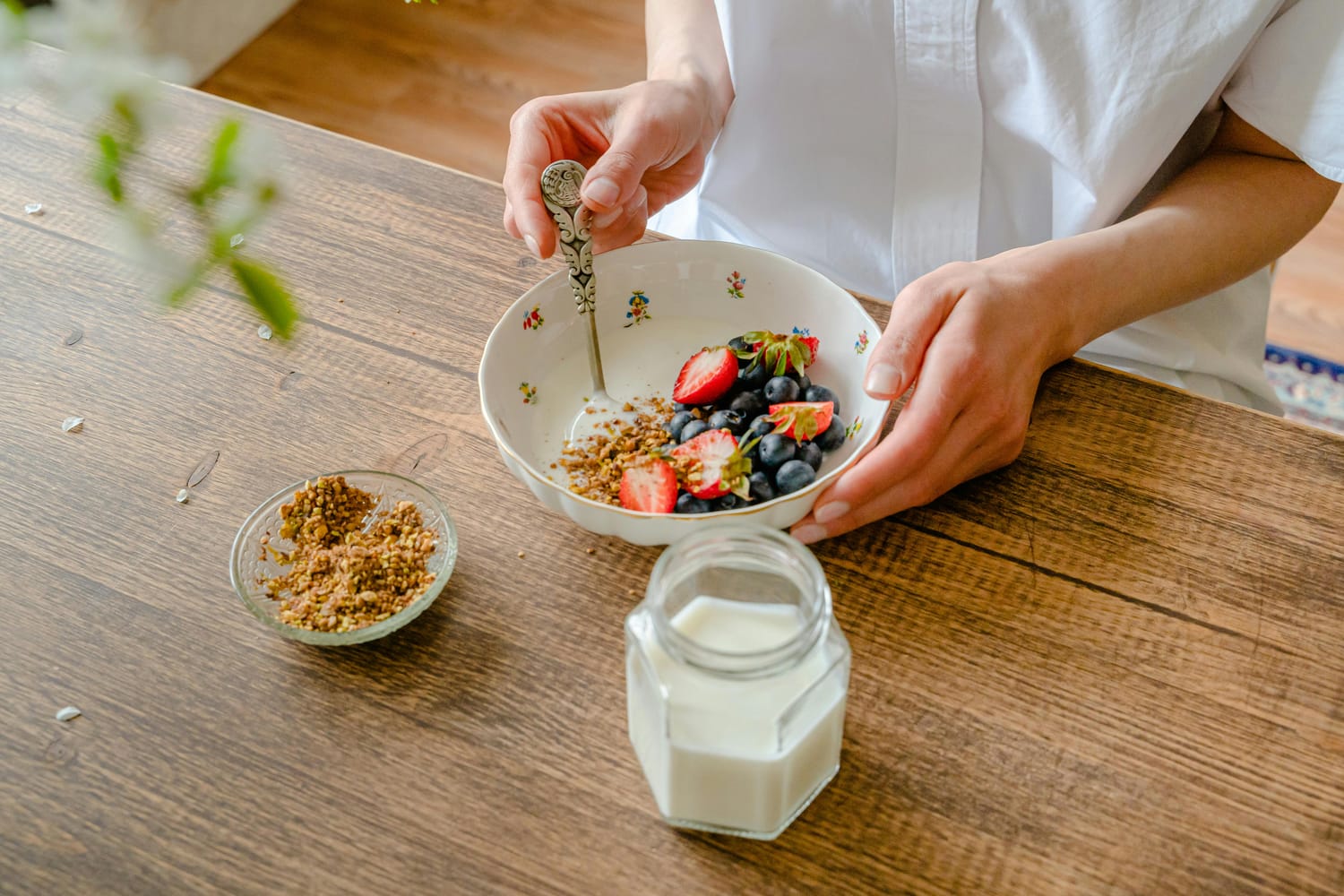
Breakfast Ideas (Protein + Healthy Fats + Fiber)
Example 1: Greek Yogurt Bowl
Plain Greek yogurt
Fresh berries
Chopped walnuts or almonds
Drizzle of honey
Example 2: Avocado Toast
Whole-grain or sourdough toast
Mashed avocado with olive oil and sea salt
Sliced tomato or a soft-boiled egg
Example 3: Mediterranean Egg Plate
Scrambled or poached eggs cooked in olive oil
Sautéed spinach and tomatoes
Side of fruit
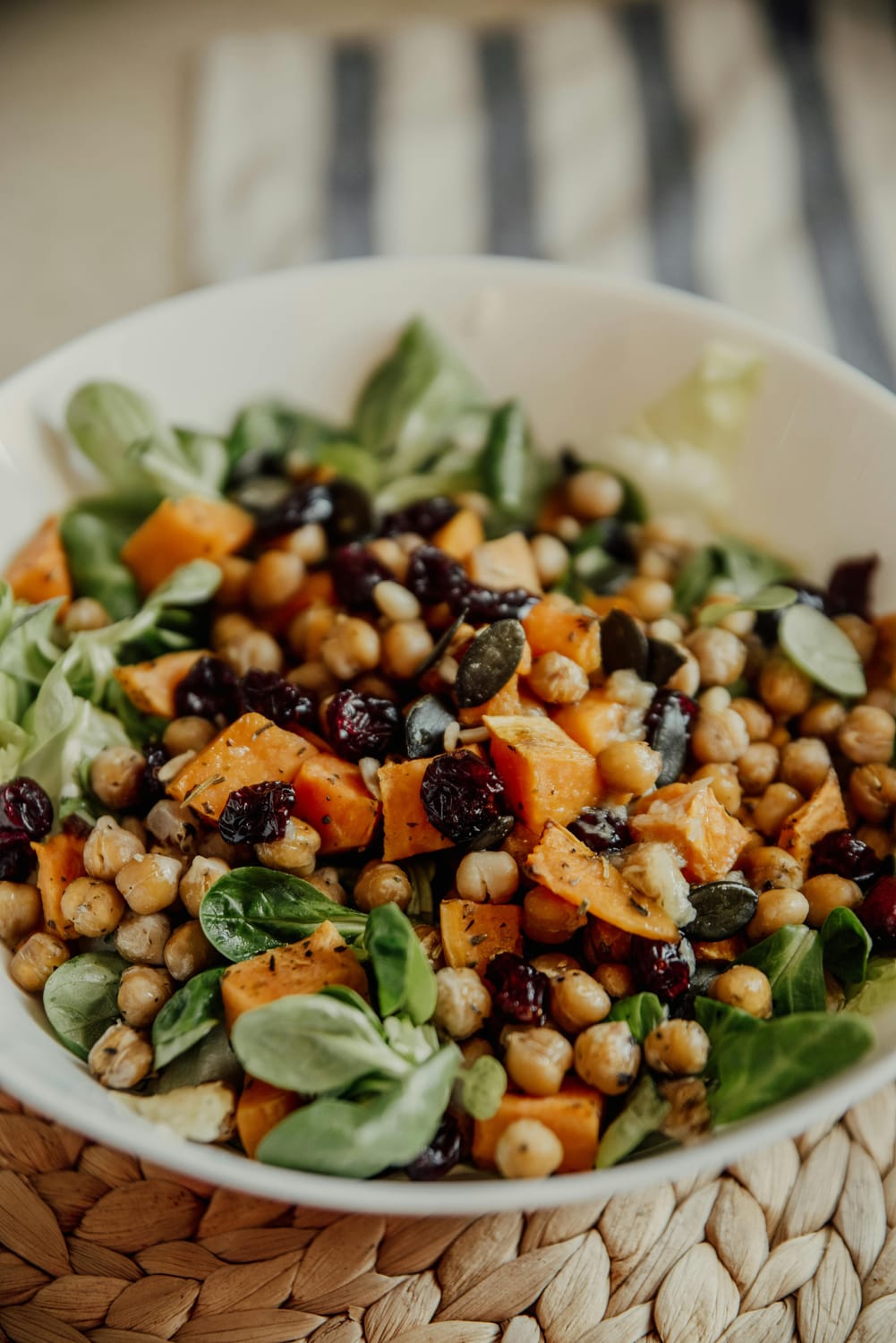
Lunch Ideas (Fresh, Filling & Energizing)
Example 1: Mediterranean Chickpea Salad
Chickpeas
Cucumber, tomato, red onion
Olives and feta
Olive oil + lemon dressing
Example 2: Grilled Chicken & Veggie Bowl
Grilled chicken breast
Roasted vegetables (zucchini, peppers, onions)
Quinoa or farro
Olive oil drizzle
Example 3: Tuna & White Bean Salad
Tuna packed in olive oil
White beans
Parsley, lemon, and olive oil
Served over greens
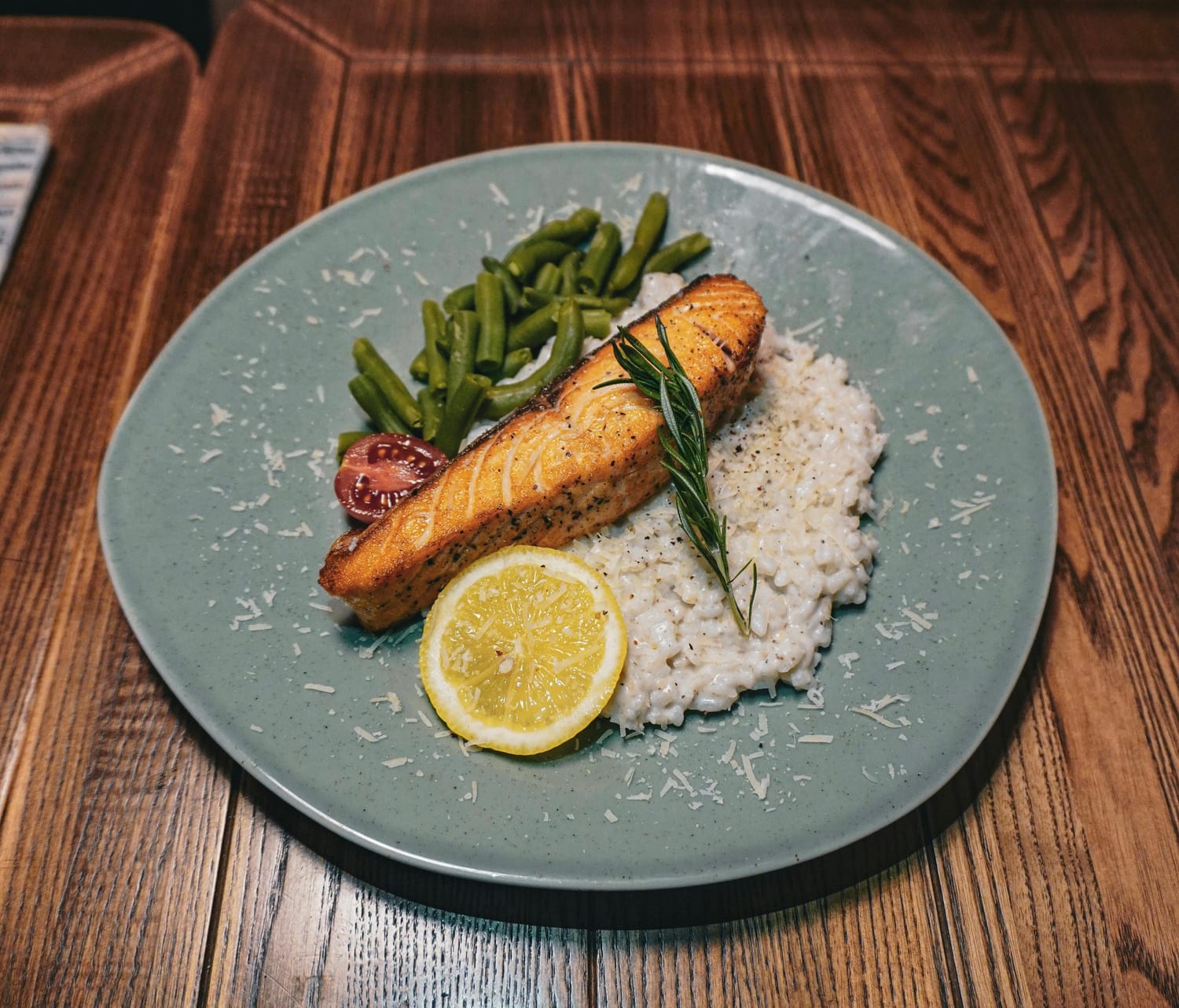
Dinner Ideas (Balanced & Satisfying)
Example 1: Baked Salmon Plate
Baked salmon with herbs and lemon
Roasted sweet potatoes
Steamed or sautéed greens
Rice
Example 2: Mediterranean Veggie Pasta
Whole-grain pasta
Olive oil, garlic, tomatoes
Spinach, olives, and a sprinkle of parmesan
Example 3: Simple Grilled Fish Dinner
Grilled white fish or sardines
Side salad with olive oil vinaigrette
Small portion of whole grains
Optional Snacks (If Needed)
Fresh fruit with nuts
Hummus with vegetables
Olives and cheese
Yogurt with cinnamon
Snacks are optional—not mandatory. The focus is on listening to hunger cues.
A Gentle Plan to Start Moving in This Direction
You don’t need to do everything at once. Start with small, sustainable changes.
Week 1
Switch to olive oil as your main fat
Add vegetables to every meal
Week 2
Eat fish twice this week
Replace one processed meal with a whole-food meal
Week 3
Experiment with legumes (beans or lentils)
Slow down during meals
Week 4
Focus on consistency, not perfection
Enjoy food without guilt

The Mediterranean diet works because it’s not about rules—it’s about respecting your body. It nourishes your heart, your mind, your digestion, and your long-term health while still allowing pleasure and flexibility.
If you’re looking for a way of eating that feels supportive instead of stressful, grounding instead of extreme, and joyful instead of restrictive—this is a beautiful place to begin.
Healthy doesn’t have to be hard. It just has to be real. 💙

Dana Fielding
Dana is a health and fitness expert and our own healthy chef.
She makes healthy living fun!


Large Call to Action Headline
Lorem ipsum dolor sit amet, consectetur adipisicing elit. Autem dolore, alias, numquam enim ab voluptate id quam harum ducimus cupiditate similique quisquam et deserunt, recusandae.
- Lorem ipsum dolor sit amet
- Lorem ipsum dolor sit amet
- Lorem ipsum dolor sit amet
Everything on this blog is for informational
purposes only. You should contact your own doctor for any medical advice.
Categories
Newsletter
Subscribe now to get daily updates.

Lorem ipsum dolor sit amet, consectetur adipisicing elit. Autem dolore, alias, numquam enim ab voluptate id quam harum ducimus cupiditate similique quisquam et deserunt, recusandae.